
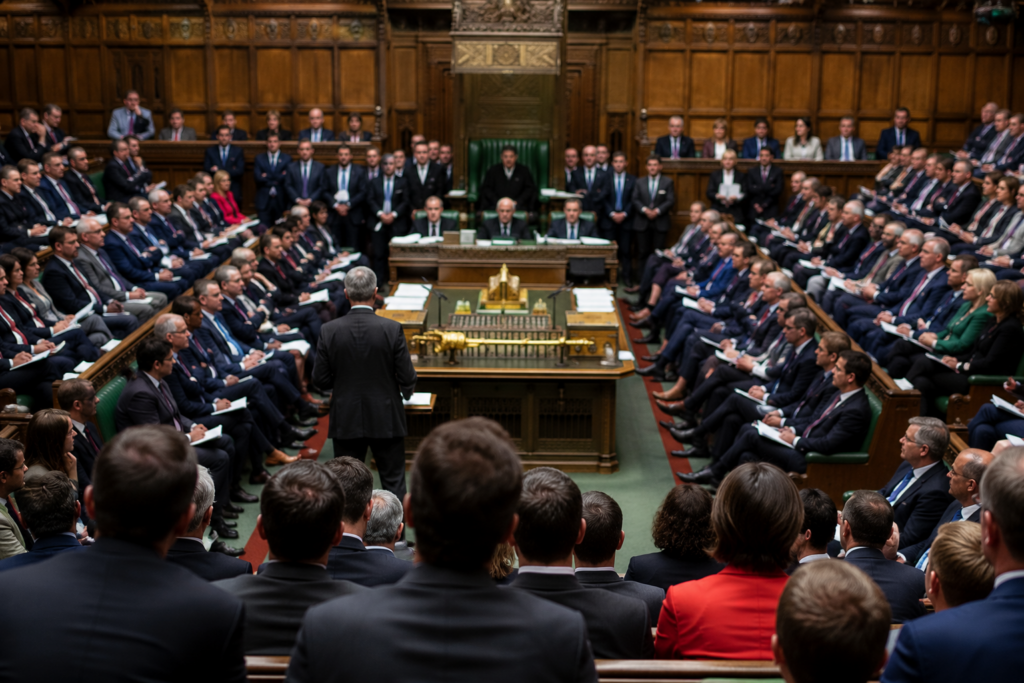
The UK Government has announced plans to introduce a nationwide ban on social media for children under the age of 16, in what could become one of the most significant changes in a generation.
Prime Minister Keir Starmer has indicated that legislation will be brought forward to restrict access to major social media platforms including Instagram, TikTok, Snapchat, Facebook and X for anyone under the age of 16.
The announcement follows years of debate over the impact of social media on young people’s mental health, wellbeing and development.
Why Is the Government Taking Action?
The Government says it is responding to growing concerns from parents, schools, safeguarding organisations and health professionals.
Among the issues frequently highlighted are:
- Exposure to harmful or age-inappropriate content
- Cyberbullying and online harassment
- Contact from strangers
- Excessive screen time
- Sleep disruption
- Body image concerns
- The impact of algorithms designed to maximise engagement
The proposals also come at a time when schools across the UK are increasingly introducing smartphone restrictions and bans during the school day.
Many teachers report that social media is one of the biggest sources of distraction, conflict and safeguarding concerns among pupils.
What Would the Ban Actually Mean?
At this stage, many of the details are still being worked out.
The Government has announced its intention to proceed, but legislation still needs to pass through Parliament.
Questions that remain include:
- How age verification would work
- Which platforms would be included
- How the rules would be enforced
- What penalties platforms could face
- Whether there would be any exemptions
There are also reports that restrictions could extend beyond traditional social media to include certain messaging features, livestreaming services
A Significant Shift in Public Opinion
Just a few years ago, the idea of banning social media for under-16s would have seemed politically impossible.
Today, the conversation looks very different.
Campaigns such as the Smartphone Free Childhood movement have gained significant momentum, while schools have become increasingly vocal about the challenges social media creates both inside and outside the classroom.
The Government’s announcement reflects a broader cultural shift.
Rather than asking how children can use social media safely, many people are now asking whether children should be using it at all.
Supporters Say It Is Long Overdue
Supporters of the proposed ban argue that social media companies have failed to adequately protect children.
They point to evidence linking excessive social media use with rising levels of anxiety, depression, self-esteem issues and online harm.
Many parents also feel they are being asked to fight a battle that should never have been theirs alone.
For years, families have been expected to monitor platforms powered by algorithms that are specifically designed to keep users engaged for as long as possible.
Supporters believe stronger regulation is necessary because parental supervision alone is no longer enough.
Critics Have Concerns
Not everyone agrees that a ban is the right solution.
Critics argue that:
- Children may simply use VPNs or alternative platforms
- Age verification systems could create privacy concerns
- Young people may move to less regulated online spaces
- Existing online safety laws should be enforced before introducing new restrictions
Some experts have also questioned whether a blanket ban addresses the root causes of online harm.
The debate is likely to continue as the legislation progresses.
What Does This Mean for Parents Right Now?
For the moment, nothing changes immediately. However, the announcement sends a strong signal about the direction of travel.
Parents, schools and policymakers appear increasingly aligned on one point: children deserve greater protection online than they currently receive.
Whether the final outcome is a complete ban, stricter age verification or additional safeguards, the pressure on technology companies to better protect children has never been greater.
It’s Not Just About Social Media
While the headlines focus on social media platforms, many parents would argue that mobile safety is much broader than Instagram, TikTok or Snapchat.
For most families, concerns about children’s phones extend beyond social media and include:
- Contact from strangers
- Bullying, pressure, coercion, or manipulation over text messages, calls and voicemail
- Scam calls and messages
- Communication with people parents don’t know
For some families, the answer is delaying smartphones. For others, it is using parental controls, family agreements, age-appropriate restrictions. and the right smartphone plan for a child.
Why Network-Level Controls Matter
Calls, text messages and mobile data access can all present risks if left unmanaged.
That’s why many parents are turning to network-level controls that work independently of the device itself.
ParentShield was designed around this principle.
Rather than relying solely on apps installed on the phone, ParentShield allows parents to manage key aspects of their child’s mobile phone use through the network itself.
Parents can:
- See who their child is calling and texting
- Receive alerts when a new contact appears
- Get AI call summaries and risk scores
- Block unwanted numbers
- Set time controls
- Manage mobile data access remotely
- Receive alerts for concerning keywords
- Restrict communication to trusted family and friends using Ultra-Secure Mode
- Use SchoolBlock to reduce distractions during the school day
Importantly, these controls work whether a child is using a smartphone or a simple phone.
As the debate around social media continues, many parents are discovering that online safety isn’t just about which apps their children use. It’s also about who can contact them, when they can use their phone and how much control parents have over the overall mobile experience.