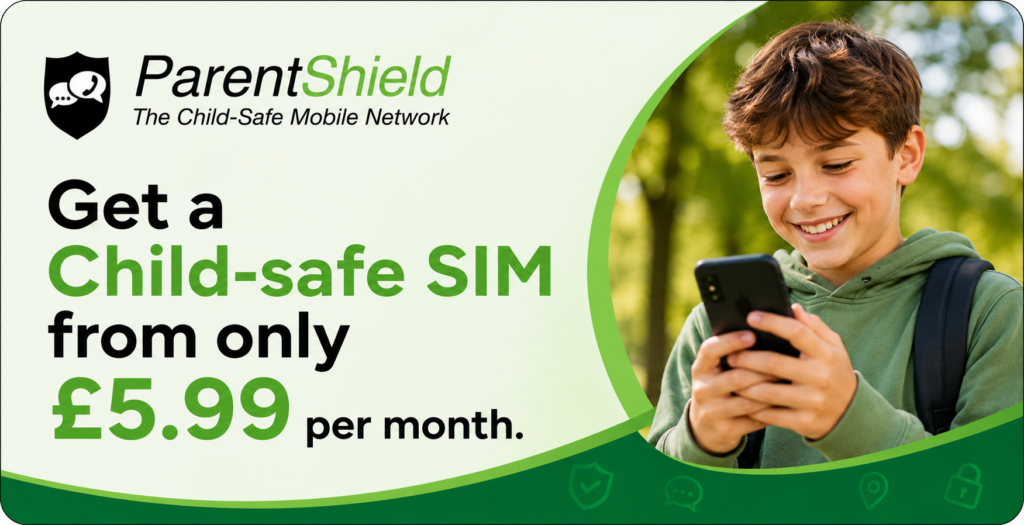

The summer holidays are often when children get their first real taste of independence. They might start walking to a friend’s house on their own, heading to the park with friends, spending longer away from home or being allowed to go into town without a parent for the first time.
And that’s often when parents start wondering: is it time for their first mobile phone?

There isn’t a single right age for a child to get their first phone. Some children need one because they’re starting to travel independently, while others may not need one for another year or two.
But the summer holidays can actually be a very good time to introduce a first phone — particularly for children who will be starting secondary school in September.
Why the summer holidays can be a good time for a first phone
For many children, getting their first mobile phone coincides with starting secondary school. It makes sense, as they may suddenly be travelling further from home, catching a bus, walking to or from school without an adult, or attending more clubs and after-school activities. However, starting secondary school already brings plenty of changes and new responsibilities to get used to.
Introducing their first phone during the summer holidays can give them time to learn how to use it responsibly before they actually need to rely on it. With fewer pressures and a little more time, they can gradually become familiar with looking after their phone, keeping it charged and using it to stay in contact when they’re away from home.
Think of the summer as a practice period, before September arrives, they can get used to:
- Keeping their phone charged.
- Remembering to take it with them.
- Calling or texting home when plans change.
- Looking after the phone when they’re out.
- Understanding when it’s appropriate to use it.
- Following your family’s rules around phone use.
- Recognising that having a phone comes with responsibilities as well as freedom.
By September, carrying a phone can already feel normal rather than being another new responsibility to deal with during the first week of secondary school.
Does my child actually need a phone?
Before buying one, it’s worth thinking about why your child needs a phone. If the main reason is simply because their friends have one, there may be no urgency, but there are practical reasons why parents decide the time is right.
Perhaps your child is beginning to walk to school alone. Maybe they’re going out with friends without an adult, staying at clubs later or spending more time away from home. In those situations, being able to call or text each other can provide useful independence for your child and reassurance for you.
A first phone doesn’t necessarily need to provide internet access, social media, games and apps – sometimes the requirement is much simpler: “I want my child to be able to contact me, and I want to be able to contact them.” And that’s an important distinction when choosing their first phone, many even opt for ParentShield SIM cards for basic Nokia phones.
What age should a child get their first phone?
There’s no magic age when every child suddenly becomes ready for a mobile phone. Readiness matters far more than the number on their birthday cake. Before deciding whether the time is right, think about how responsible your child is with their belongings, how well they follow agreed rules and how they cope with a little more independence.
Consider whether they can be trusted to look after a phone without leaving it on a bus, in a changing room or on a park bench. A first phone brings responsibility as well as freedom, particularly if it’s an expensive smartphone.
It’s also worth thinking about how well your child follows rules at home. If you agree that phones stay downstairs at bedtime, for example, are they likely to stick to it? Establishing simple boundaries from the beginning can make managing phone use much easier later on, with ParentShield’s features providing additional support along the way.
Communication is another important consideration. One of the biggest benefits of giving a child their own phone is being able to stay in touch when they’re away from home. They should understand that if their plans change, they’re going somewhere different or they’re going to be late, they need to let you know.
Finally, consider their understanding of basic online safety. If their first phone is going to be a smartphone, the decision becomes much bigger than simply whether they’re ready to make calls and send texts. A smartphone can potentially give them access to the internet, apps, messaging services, social media and communication with people outside their immediate circle.
That’s why choosing the type of phone and mobile network can be just as important as deciding when to give them one.
Should their first phone be a smartphone or a basic phone?
A child’s first mobile doesn’t have to be a smartphone. Basic, or so-called “dumb phones”, have become increasingly popular with parents who want their child to have the independence that comes with having their own phone, without immediately introducing access to apps and the internet.
If the main reason for giving your child a phone is simply so they can make calls, send texts and stay in contact with home, a basic phone may be all they need. They’re often inexpensive, have excellent battery life and provide far fewer distractions than smartphones.
For some families, a basic phone also provides a useful stepping stone. It gives a child the opportunity to learn the responsibility of carrying and looking after a phone, keeping it charged and staying in contact when they’re away from home. Once they’ve demonstrated that they’re ready for more responsibility, moving your child to a smartphone can come later.
What about a smartphone?
There are also plenty of valid reasons to choose a smartphone as a child’s first phone. Families may want access to particular apps, location services and family messaging, or there may be apps and features needed for school, transport or other activities.
If you do choose a smartphone, it’s a good idea to configure parental controls before handing it over, rather than trying to introduce restrictions once your child has become used to having unrestricted access. Both Apple and Android devices offer built-in parental controls that can help manage apps, screen time, purchases and other features, while additional controls are available through the ParentShield mobile network.
Ultimately, the most important thing is choosing a phone that suits your child’s needs, maturity and level of responsibility, rather than simply opting for the device they want most.
Set the rules before you hand over the phone
The easiest time to establish rules around phone use is before your child starts using their new device. Once they’ve become accustomed to taking their phone to bed every night or having access whenever they want, introducing boundaries later can be much more difficult.
It’s worth agreeing some simple rules from the beginning. These might cover where the phone stays overnight, whether it’s allowed at the dinner table, when mobile data can be used and what happens to the phone during homework. You may also want to decide whether your child needs permission before installing new apps through the built-in parental controls and set some expectations around who they’re allowed to communicate with, which can be set within your ParentShield portal.
It’s equally important to talk about what they should do if someone they don’t know contacts them, as well as practical situations such as losing or damaging their phone. Having these conversations early means your child knows what to do if something unexpected happens.
ParentShield can provide an additional layer of protection by alerting parents when a new person contacts their child, as well as allowing parents to create a completely closed group of approved contacts if needed. However, technology shouldn’t replace these conversations. Knowing how to recognise and respond to unfamiliar or unexpected contact is an important lesson for every child as they become more independent.
Try to keep the rules simple enough that everyone understands and remembers them. It’s also worth explaining why the rules exist rather than simply imposing restrictions. A first phone is a great opportunity to start building healthy and responsible habits that can develop as your child gets older and gains more independence.
Use the summer holidays as a practice period
One of the advantages of introducing a first phone during the summer holidays is that you can gradually give your child more independence. There’s no need to hand them a phone one day and expect them to be ready to head into town alone the next. Instead, you can start small and build their confidence and responsibility over time.
They might begin by taking their phone when visiting a nearby friend, before progressing to a trip to the local park with an agreement to message when they arrive. As they become more confident and demonstrate that they can stay in contact, you can gradually allow them to go a little further or stay out for longer.
The summer holidays also provide a good opportunity to talk through situations your child might encounter when they’re away from you. What should they do if their battery is running low, they miss the bus or their plans suddenly change?
A mobile phone can be incredibly useful in all of these situations, but simply having one isn’t enough. Helping your child understand when and how to use it is an important part of preparing them for greater independence.
Don’t forget about bedtime
Without school the following morning, bedtimes often become a little more relaxed during the summer holidays. Add a new phone into the mix and it can become even more tempting for children to stay awake later than they should, checking messages, watching videos or playing games.
Agreeing where the phone stays overnight from the beginning can help avoid arguments later. For younger children in particular, a simple rule that the phone charges downstairs overnight can work well, removing the temptation to keep checking it after bedtime.
If you’d prefer your child to keep their phone in their bedroom, ParentShield can help reinforce the boundaries you set. Time Controls allow parents to restrict calls, texts and mobile data during chosen hours, through the ParentShield Portal. This means you can set a bedtime routine without having to physically take the phone away each evening.
Of course, controls work best alongside clear expectations. ParentShield can help you put those boundaries in place, but establishing healthy habits from the very beginning helps children understand when it’s time to put their phone down — even when they’re allowed to stay up a little later during the holidays.
Think about mobile data as well as screen time
Parents often focus on how much time their child spends on their phone, but mobile data is another useful way to set sensible boundaries. A child who mainly needs their phone to stay in contact with home doesn’t necessarily need a large or unlimited data allowance.
Starting with a more modest amount of data can help children learn to manage their usage and understand that mobile data isn’t an unlimited resource. It can also reduce the temptation to spend long periods streaming videos or using data-heavy apps when they’re away from Wi-Fi.
When choosing a plan for a child’s first phone, it’s therefore worth looking beyond the headline data allowance. A plan that gives parents the ability to control, limit or manage mobile data, such as ParentShield, can often be more useful than simply choosing the largest allowance available.
Make sure they can always contact home
Whatever phone or mobile plan you choose, being able to communicate with home should always be the priority. Make sure your child knows how to call their parent or carer, knows their home address and understands what to do if they can’t reach you. It’s also a good idea for them to memorise at least one important telephone number rather than relying entirely on the contacts stored in their phone.
This is an area where ParentShield has been designed specifically with children in mind. Every ParentShield plan includes Home Numbers, allowing parents to nominate two important numbers that their child can always call or text, even if their inclusive allowance has been used. It means that even on a smaller first-phone plan, keeping in touch with home remains the priority.
It’s still important to talk about when your child should call rather than simply send a message, particularly if they’re worried, lost, running late or need help. ParentShield can provide the tools to keep that important connection with home available, while children learn when and how to use their phone responsibly.
For a first phone, that reassurance can be far more valuable than having a huge allowance or unlimited data. The most important feature is knowing that when your child needs you, they can reach you.
What if they’re starting secondary school in September?
The move to secondary school is one of the most common reasons parents consider buying their child their first mobile phone. If that’s your situation, the summer holidays can be an ideal time to introduce one, giving them a chance to get used to the responsibility before September.
Rather than focusing solely on which phone to buy, think about how your child will actually use it. Will they be walking to school independently, catching a bus, coming home before you occasionally, attending after-school clubs or meeting friends after school? For many children, the most important requirement isn’t having the latest smartphone — it’s simply having a reliable way to contact home when they need to.
This is exactly the kind of first-phone experience ParentShield is designed for. You can start with a simple calls-and-texts phone or a smartphone, while ParentShield’s network-level parental controls allow you to manage things such as mobile data, time restrictions and who your child communicates with. If their needs change as they become more independent, the level of access can change with them.
It’s also worth checking your child’s new school’s mobile-phone policy before spending money on an expensive device. From September 2026, schools in England are expected to be mobile-phone-free throughout the school day, and some schools go further with stricter rules around smartphones and other smart devices.
That doesn’t necessarily mean your child doesn’t need a phone. Being able to contact home while travelling to and from school can still be important, particularly as they become more independent. In fact, the Government guidance specifically recognises the importance of considering children’s safety on the journey to and from school.
For some children, that makes a simple phone paired with a child-safe ParentShield SIM a particularly sensible option. They still have a reliable way to call or text home before and after school, without carrying an expensive smartphone that may not even be allowed to cross the school gates.
But choosing a basic phone doesn’t have to be the answer for every child. If you’ve decided that a smartphone is the right choice for your family, ParentShield is just as suitable. Whether it’s a simple calls-and-texts handset or their first smartphone, ParentShield provides a mobile service designed specifically for children, with additional parental controls that can help you manage their access as they grow.
In other words, whatever phone you decide is right for your child, ParentShield is the perfect SIM to go with it.
And if you’re getting organised during the summer, ParentShield’s Back to School SIM only offer is designed specifically for new school starters and Year 7s. Order a physical SIM or eSIM using the code Back2School and choose Direct Debit, and we’ll send the SIM straight away, but your service and billing won’t begin until 1 September.
That means you can get their phone and ParentShield SIM sorted during the summer, ready for the first day of secondary school — without paying for a service they don’t need until September.
A first phone doesn’t have to mean unrestricted access
This is one of the reasons we created ParentShield. As a UK mobile network designed specifically for children, ParentShield gives parents additional controls that can help them introduce a first phone gradually, while still allowing their child to enjoy the independence that comes with having their own mobile.
Unlike parental controls that rely entirely on settings on the handset, ParentShield features operate at the mobile-network level. Parents can manage mobile data, set time restrictions, receive alerts when new people make contact and, where enabled, view information about their child’s calls and text messages.
ParentShield also includes Home Numbers, which allow important family numbers to remain available so children can stay in contact with home. This can be particularly useful with a first phone, where reliable communication with parents or carers is often the main reason for having one in the first place.
Most importantly, the level of control doesn’t have to stay the same forever. Parents can begin with tighter boundaries and gradually adjust them as their child gets older, becomes more responsible and needs greater freedom.
The aim isn’t to prevent children from gaining independence, but to give them the opportunity to develop it gradually, with appropriate safeguards along the way.
So, should you get your child their first phone this summer?
IIf your child is beginning to spend more time away from you, or will soon be travelling independently when they start secondary school, the summer holidays can be an ideal time to introduce their first mobile phone. With less pressure and more time to practise, they can get used to the responsibility of having a phone and develop sensible habits before September arrives.
There’s also no need to feel pressured into buying a smartphone simply because that’s what their friends have. Start by thinking about what your child actually needs their first phone to do and choose a device and mobile plan that meets those needs.
For many families, the answer is surprisingly simple. Their child needs a reliable way to contact home while they begin enjoying a little more independence. The additional apps, features and freedoms can always come later, when they’re ready for them.
Looking for your child’s first mobile plan?
ParentShield mobile plans are designed specifically for children, with additional parental controls that you won’t find with a standard mobile network. Whether your child is starting with a basic phone or getting their first smartphone, you can choose the level of access that’s right for them and adjust it as they grow and become more independent.
It means their first phone doesn’t have to come with everything switched on from day one. You can start with the features they need now and give them greater freedom when the time is right.
A little more independence for them, with greater peace of mind for you.